
Vacuum Pump Exhaust Smoke: Oil Mist Filter Diagnosis and Replacement
Visible exhaust smoke, rising back pressure and oil on the bench are all traceable to a short list of causes. A maintenance sequence for rotary vane and screw vacuum pumps.
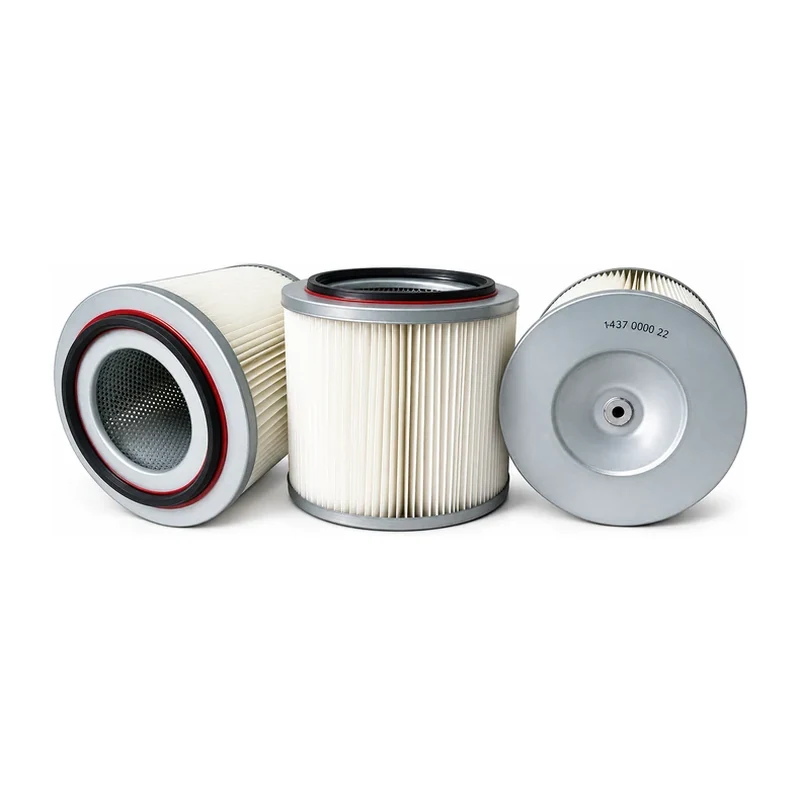
Oil-lubricated rotary vane pumps exhaust a fine aerosol by design. The exhaust filter's job is to coalesce that mist and return the oil to the pump. When smoke appears at the outlet, the pump is either producing more aerosol than usual or the separator can no longer drain what it captures.
Read the symptom before ordering a part
- Smoke only at start-up, clearing after a few minutes: often normal cold-start aerosol or a slightly overloaded filter; check oil level and oil temperature.
- Continuous smoke with normal vacuum level: saturated or damaged exhaust media, or a blocked oil return path.
- Smoke plus reduced ultimate vacuum: look beyond the filter to worn vanes, a leaking shaft seal or contaminated oil.
- Oil pooling around the exhaust port: the drain-back path is blocked, or the element is fitted upside down / with a missing gasket.
- High exhaust back pressure and a hot pump: loaded media; continued operation risks seal damage.
Work through the simple causes first
Check that the oil level is at the mark, that the correct viscosity grade is fitted, and that the oil is not emulsified with water. Overfilling is as damaging as underfilling: it increases the aerosol load dramatically. Inspect the drain-back hole, the return line and any float valve for sludge. Then measure exhaust back pressure if the pump has a port for it. Only after these checks should the element be condemned.
Choosing the replacement element
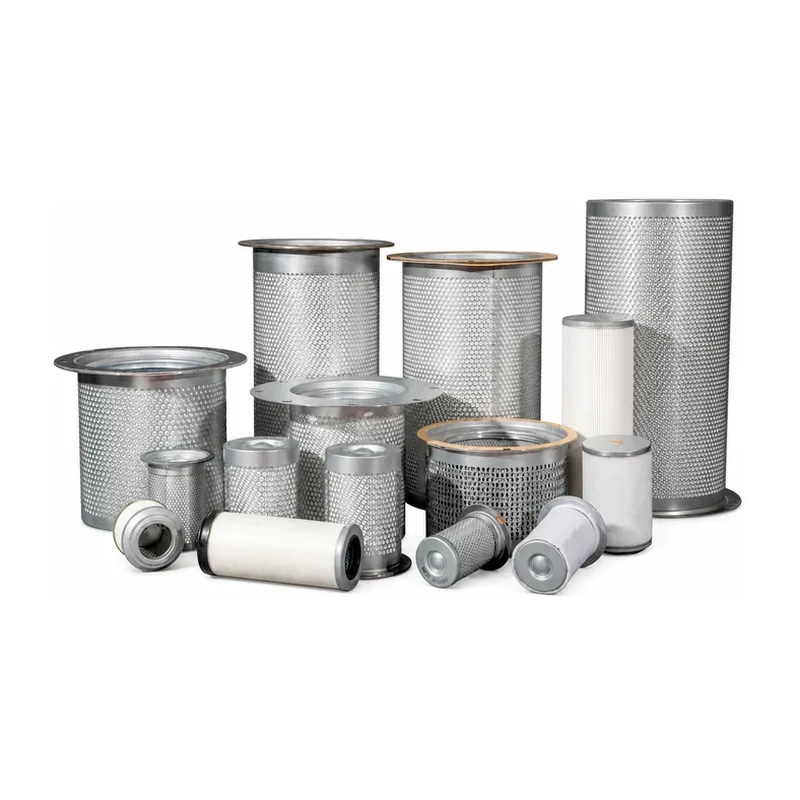
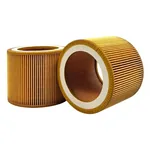
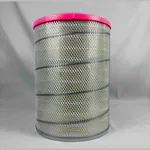
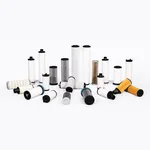
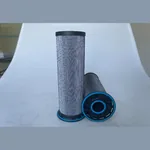
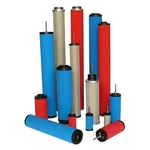
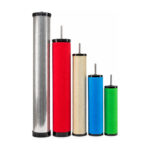
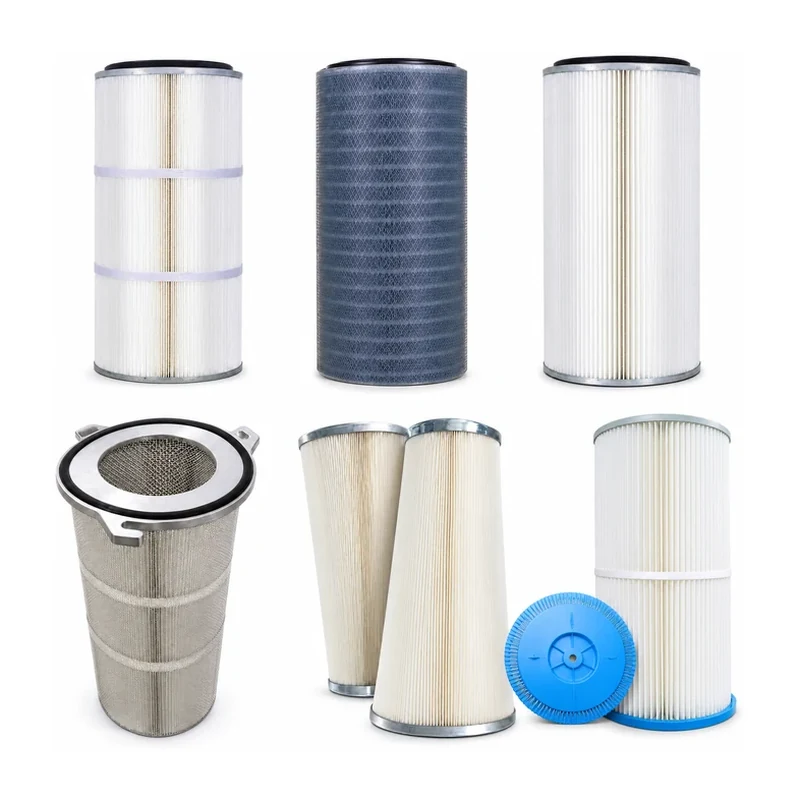
Match the cartridge by diameter, length, end-cap pattern and gasket type, and confirm whether the housing has an integrated oil return or a separate drain. Some designs use a multi-layer glass-fibre coalescer with a drainage sock; others use a pleated pack with a metal support. A cheap element with the wrong drainage behaviour will pass oil even if the thread fits. Check the vacuum pump filtration range and the oil mist and paint mist filters for the two constructions, and include the pump model and serial number when requesting a cross-reference.
Set a service interval from evidence
Log running hours, oil top-up volume and exhaust appearance at each oil change. A pump that needs frequent oil top-ups is losing oil through the exhaust and is a candidate for a shorter filter interval or an oil condition check. Keeping that log also makes warranty and process-quality discussions much shorter.
Frequently asked questions
Why does my vacuum pump smoke at the exhaust?
Can an exhaust filter be cleaned and reused?
How often should an oil mist filter be changed?
Send the OEM number and machine model — we will confirm fit, media and seal before quoting.
Continue reading

Related products
View all products →Filter families referenced in this guide. Select a category to see specifications and available configurations.