
Selecting Dust Collector Filter Cartridges for Fine and Abrasive Dust
Air-to-cloth ratio, media treatment and pulse cleaning settings decide whether a cartridge lasts two years or two months. What to check before changing supplier.
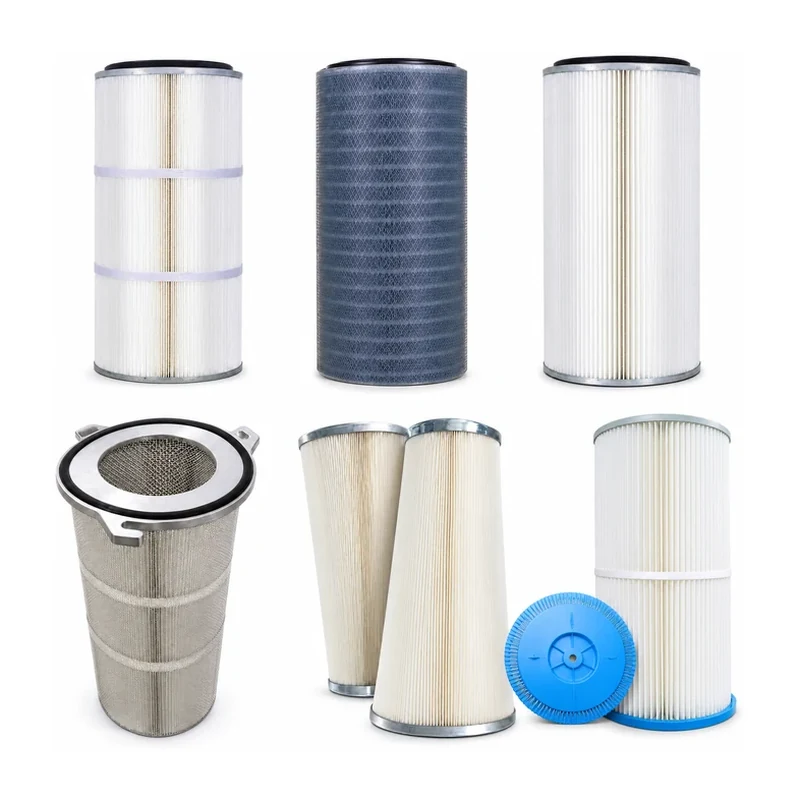
Dust collectors rarely fail because the media was not fine enough. They fail because the cartridge was sized for the wrong airflow, the pulse system could not release the cake, or a standard cellulose medium met a hot, moist or oily dust. Getting three parameters right at the specification stage prevents most of those failures.
Start with the air-to-cloth ratio
Divide the collector's design airflow by the total media area of all cartridges. Fine, light or sticky dusts need a lower ratio (more media area) so the cake forms slowly and can be pulsed off; coarse, heavy dust tolerates a higher ratio. A cartridge with more, deeper pleats is not automatically better — very tight pleat spacing packs dust into the valleys and prevents cleaning. Ask for effective open media area, not just the number of pleats.
Match the media treatment to the dust
- Standard cellulose for dry, non-abrasive dust at ambient temperature: welding fume, wood dust, general powder handling.
- Flame-retardant or antistatic treatment where sparks or combustible dust are present; confirm the surface resistivity and grounding path.
- PTFE membrane or ePTFE laminate for fine, sticky or hygroscopic powders: surface filtration releases the cake cleanly at lower pulse pressure.
- Oil- and water-repellent finish for mist-laden air, machining coolant aerosol or humid outdoor intake.
- High-temperature media where the process air approaches the limit of cellulose.
Pulse cleaning is part of the filter
Set pulse pressure, duration and interval so the cake releases without re-entraining fines onto neighbouring cartridges. Over-pulsing is a common hidden cost: it shortens media life, wastes compressed air and can drive dust into the pleats. Differential pressure trending across the collector tells you whether the cleaning cycle is working; a steadily rising baseline after each pulse means the cake is not releasing.
Confirm the mechanical fit
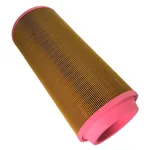
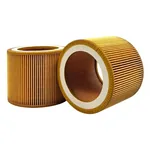
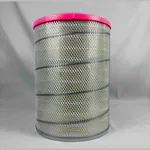
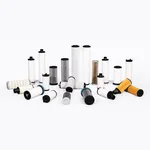
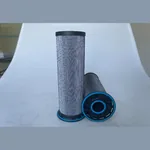
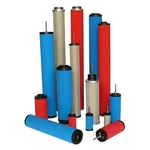
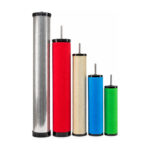
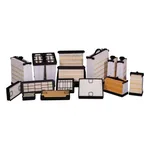
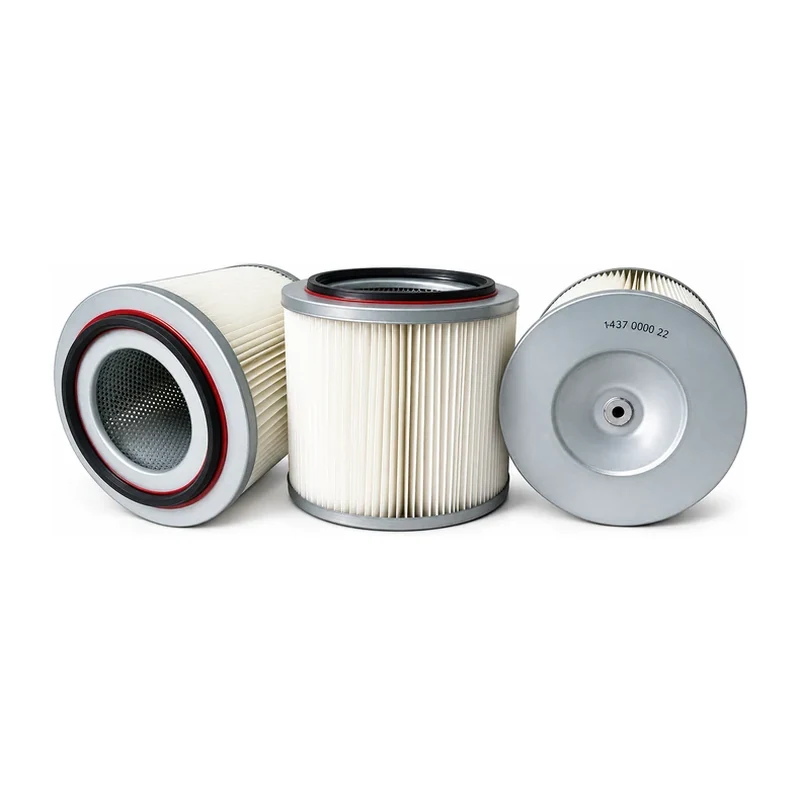
Record the cartridge length, outer and inner diameter, top and bottom end-cap style, gasket position, and the mounting method (twist-lock, flange, rod hanger or snap band). A one-piece moulded end cap with an integrated gasket removes a common leak path. See dust filter cartridges for the standard constructions and dust collection for bag and cartridge options; for high-volume or abrasive applications, an air pre-cleaner upstream can extend cartridge life substantially.
Frequently asked questions
How often should dust collector cartridges be replaced?
Is a PTFE membrane cartridge worth the extra cost?
Why does differential pressure stay high right after a pulse?
Send the OEM number and machine model — we will confirm fit, media and seal before quoting.
Continue reading

Related products
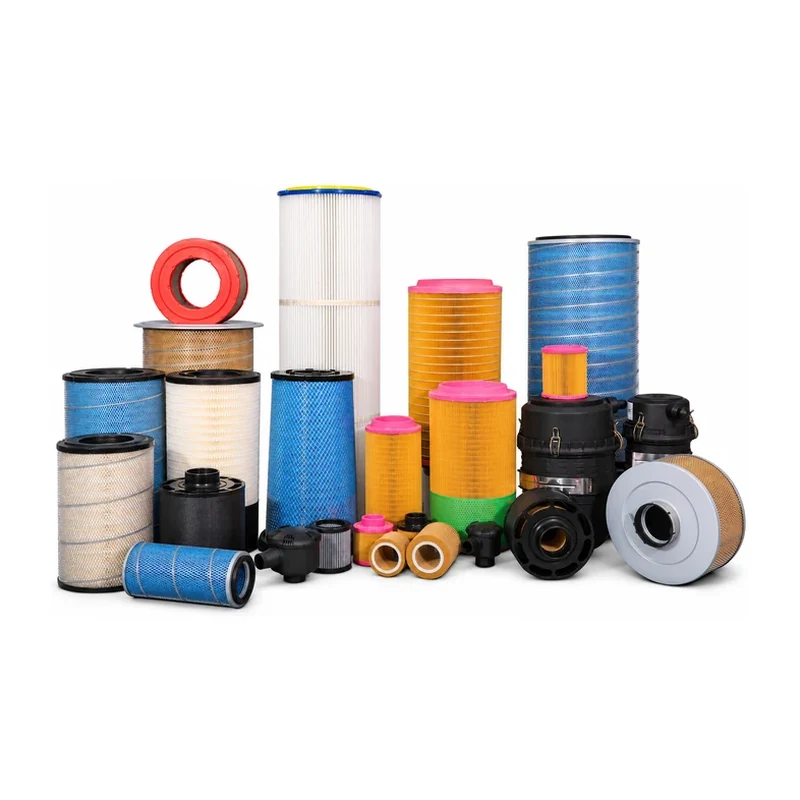
View all products →Filter families referenced in this guide. Select a category to see specifications and available configurations.