
ISO 8573-1 Compressed Air Quality Classes: A Practical Buyer Map
What the three numbers in a compressed air purity class actually mean, how to turn them into a filter train, and where over-specifying quietly wastes energy.

ISO 8573-1 is the shorthand used to specify compressed air purity: a class such as 1.2.1 describes limits for solid particles, water and oil. It is a classification of the air at a defined point, not a filter part number. Understanding what each digit controls is the fastest way to avoid buying a train that is either inadequate or needlessly expensive to run.
The three digits
- First digit — particles. Limits the number and size of solid particles per cubic metre, measured to ISO 8573-4. Higher classes allow more and larger particles.
- Second digit — water. Sets the pressure dew point, measured to ISO 8573-3. A refrigerated dryer typically reaches a dew point around +3 °C; a desiccant dryer is needed for negative dew points.
- Third digit — oil. Limits total oil content (liquid, aerosol and vapour) in mg/m³, measured to ISO 8573-2 and -5. Coalescing filters remove aerosol; activated carbon is needed for vapour.
Translate the class into equipment
A general plant air specification such as 3.4.3 is usually met with a receiver, a refrigerated dryer, a general-purpose coalescer and a particulate filter at the point of use. Instrument air at 1.3.1 needs a pre-filter, a high-efficiency coalescer, a desiccant dryer and a final particulate filter. Food, pharmaceutical and electronics applications that call for oil vapour control add an activated carbon tower and, in some cases, a sterile filter immediately before the point of use. Each stage adds pressure drop, so the specification should be written for the actual application, not copied from the strictest process on site.
Order the stages correctly
Sequence matters: water separators and bulk liquid removal first, dryer next, general coalescer, fine coalescer, then dry particulate or carbon polishing. Fitting a high-efficiency coalescer before bulk condensate removal will flood it in days. Equally, a carbon tower upstream of a coalescer will be poisoned by liquid oil. A differential pressure gauge or indicator on each housing turns the whole train into a maintainable system instead of a black box.
Where most specifications go wrong
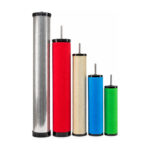
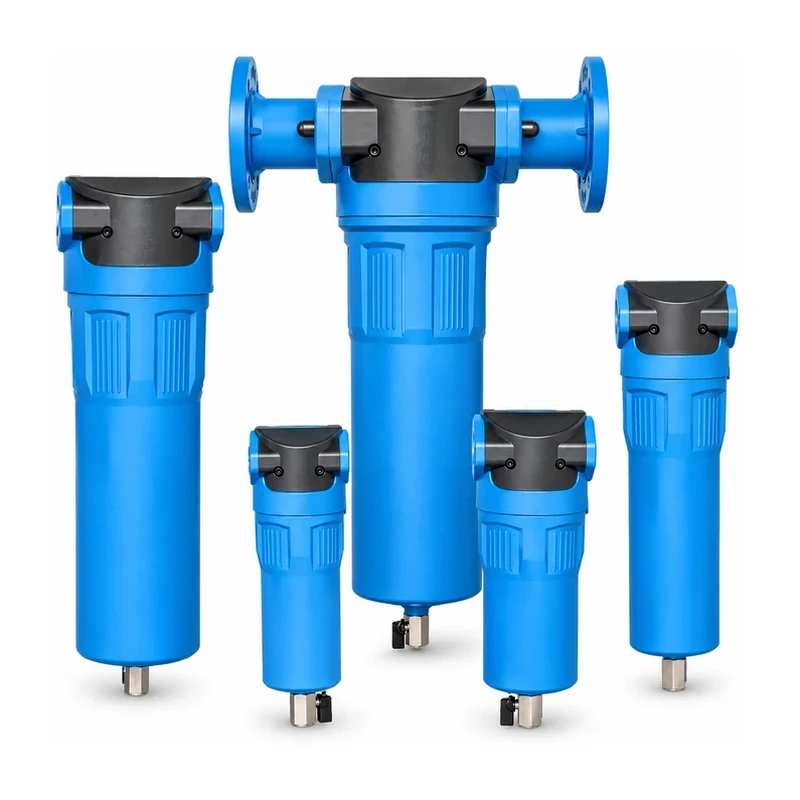
The two common errors are specifying a class with no measurement plan, and treating the class as permanent rather than as a target to be verified after commissioning and after every filter change. The second is ignoring pressure drop: three extra stages at 0.2 bar each can add more to the annual electricity bill than the filters cost. See our compressed air precision filters and the pressure drop cost guide for sizing the train against both purity and energy. For condensate treatment, see oil-water separation options in the same range.
Frequently asked questions
What does ISO 8573-1 class 1.2.1 mean?
Does a coalescing filter remove oil vapour?
Is ISO 8573-1 a product certification?
Send the OEM number and machine model — we will confirm fit, media and seal before quoting.
Continue reading
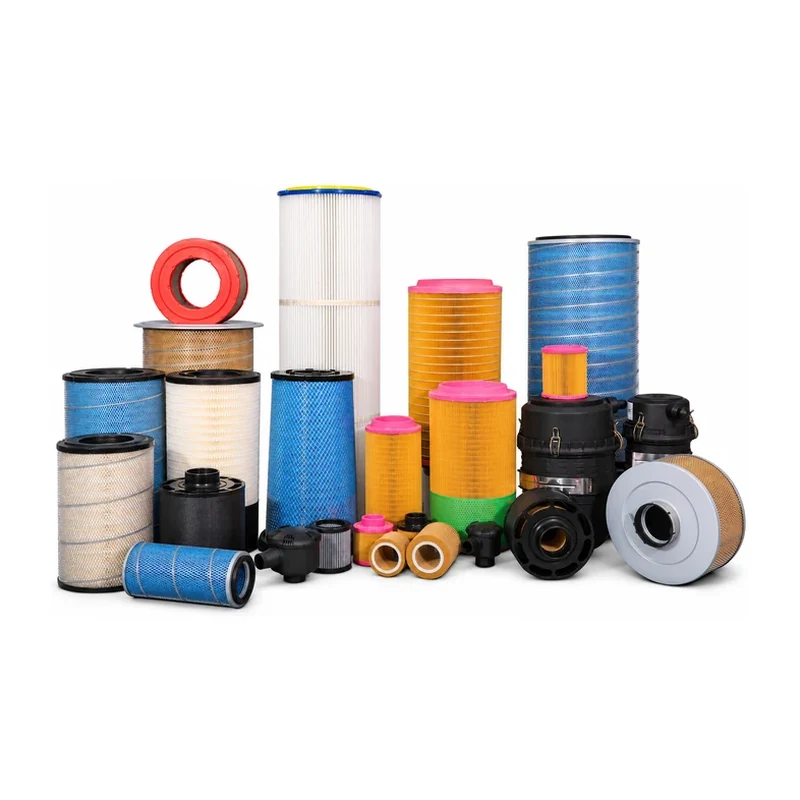

Related products
View all products →Filter families referenced in this guide. Select a category to see specifications and available configurations.