
Oil Carryover in Screw Compressors: Diagnosing a Failing Air-Oil Separator
Oil in the air line is a symptom with at least six possible causes. A step-by-step diagnosis that separates a failed separator from a blocked scavenge line, wrong oil, overfill or a stuck minimum pressure valve.
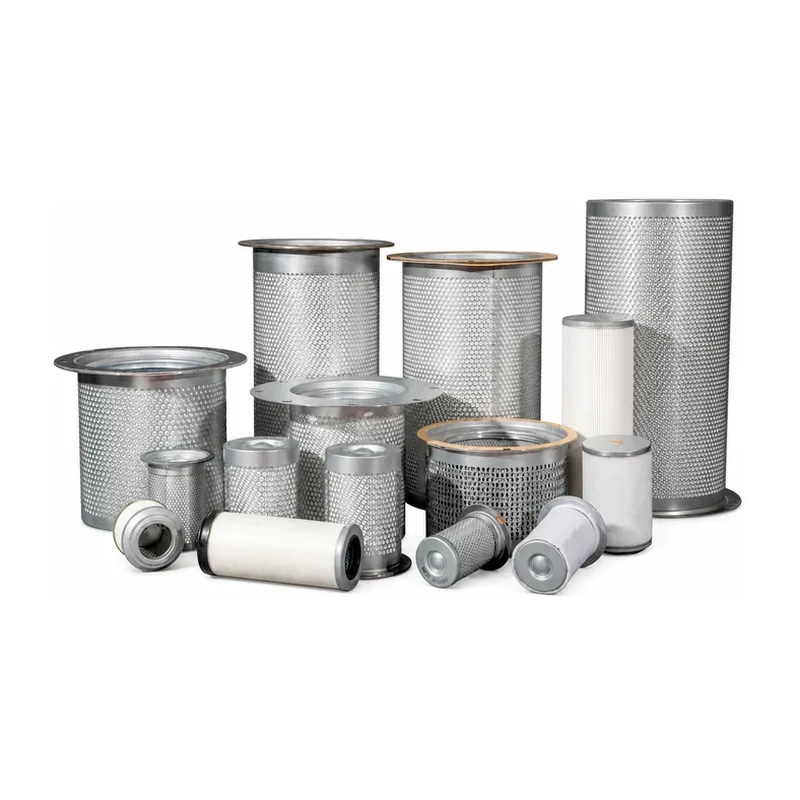
Oil downstream of a screw compressor is expensive twice: you lose lubricant and you contaminate the product, the dryer and the instruments. Replacing the air-oil separator is the instinctive response, but a new element will not fix a blocked scavenge system, an overfilled sump or a separator running below its design pressure.
Start with the oil consumption rate
Measure how much oil is added over a known number of running hours and compare it with the compressor's normal make-up rate. A sudden step change points to a component failure; a slow increase over months is more often media loading or oil degradation. Check that the machine is not simply overfilled — an extra few litres in the separator tank reduces the free disengagement volume and carries foam straight into the element.
Work through the system in this order
- Scavenge line and orifice. A blocked strainer or a crushed return line leaves separated oil pooled inside the element, which is then re-entrained. This is the most commonly missed cause.
- Minimum pressure valve. If it opens too early or sticks open, the separator sees low pressure and high velocity at start-up; coalescence collapses and oil passes through.
- Oil specification and condition. Wrong viscosity, degraded oil or additive incompatibility produces stable foam that no separator can fully remove. Check for water ingress and varnish.
- Separator differential pressure. A rising drop across a healthy element indicates loading; a sudden drop to near zero can mean a torn media pack or a blown seal.
- Element fit. A missing gasket, an ungrounded conductive staple, or a cover tightened out of sequence creates a bypass path.
- Operating pattern. Frequent unloaded running and short cycles keep the system cold and wet, promoting condensate in the sump.
When the element really is the fault
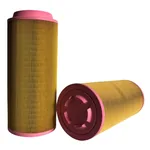
If the scavenge system is clear, the oil is correct, the minimum pressure valve holds, and consumption is still high, the media has reached the end of its life. Fibreglass coalescing media loses its oleophobic treatment with heat, age and additive attack; the element then wets out and passes oil as a fine mist. Typical service life is 2,000–4,000 hours depending on oil quality and duty. At that point a replacement from the air-oil separator range restores performance, but log the differential pressure before and after so the next change is evidence-based.
Pick the right construction
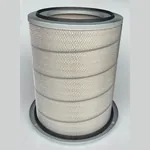
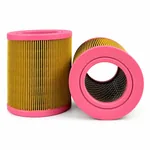
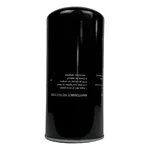
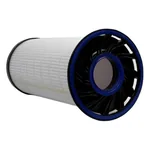
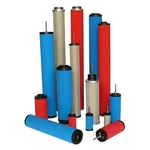
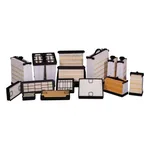
Internal (in-tank) separators, external spin-on types and wound designs are not interchangeable, even when the connection thread matches. Confirm the vessel diameter, flange pattern, height and whether a separate scavenge port is built into the element. See internal separators and external separators for the two families, and send a photo of the nameplate and the old element when requesting a cross-reference.
Frequently asked questions
What is an acceptable oil carryover for a screw compressor?
Why does a new separator sometimes still pass oil?
How long should an air-oil separator last?
Send the OEM number and machine model — we will confirm fit, media and seal before quoting.
Continue reading


Related products
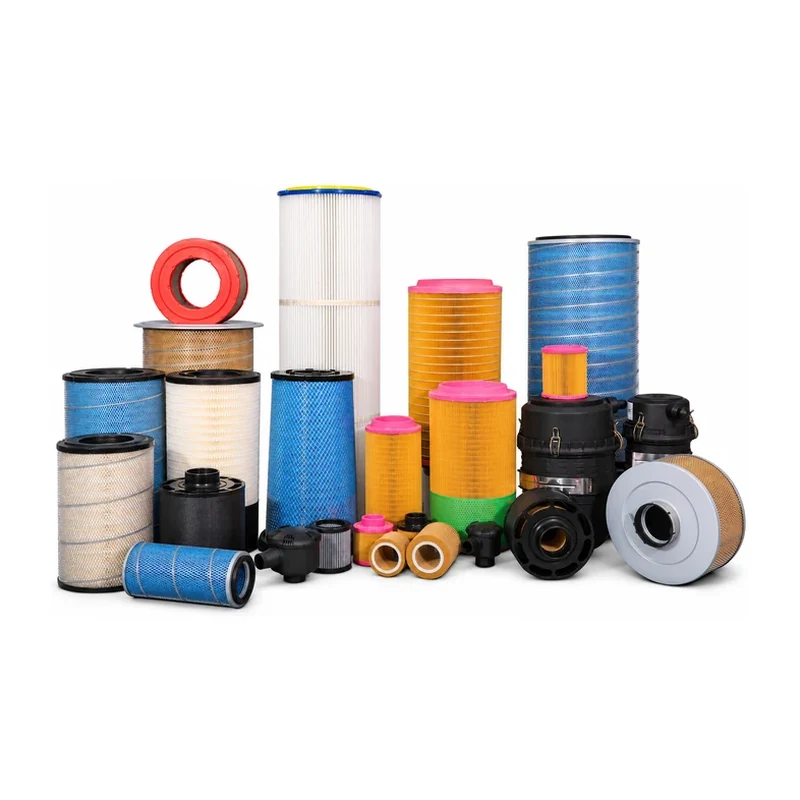
View all products →Filter families referenced in this guide. Select a category to see specifications and available configurations.